The first thing a lot of people think of when “Beaujolais” enters the proverbial “conversation” is cheap kool-aid and freshly juiced lemurs. But what they may not be aware of is just how much variety there is in the so-called “category” as a whole.
One of the reasons it gets a bit of a bad rap is because it’s associated with Beaujolais Nouveau – a cheap and high-volume “early release” wine that rears its mangy little head each year just before “Thanksgiving” (NOTE: this is unrelated to Thanksgiving, as it turns out the French don’t celebrate that particular American holiday). Sometimes lovingly called the “Kool-aid of wine,” Beaujolais Nouveau is known for being “easy drinking” and packed with “bright flavors” including some of the distinctive “notes” (e.g., banana, bubblegum, kirsch) associated with carbonic and semi-carbonic maceration – a winemaking technique that allows for rapid extraction of flavor without “imposing” much tannic structure onto the wines. This means you get a jovial fruit-fest with some avant-garde notes (who doesn’t love a little bubble gum flavored Zeus juice?) and not a ton of complexity all around, but it also allows for the wine to be released within 1-2 months of harvest. That makes it a bit divisive among “drinkers,” but generally speaking, it’s not considered to be a “great wine” style and is often more associated with jolly guzzling and pennywater plonk.
But Beaujolais is more than just that early release nouveau mumbo-jumbo “we” all “know and love” (and/or don’t and don’t). Many producers strive to craft a more “meaningful” product, which ranges greatly in quality and can yield some “really interesting” and “high quality” examples. Particularly, the Beaujolais Crus which have distinctive styles and are a far(ther) cry from Kool-aid.
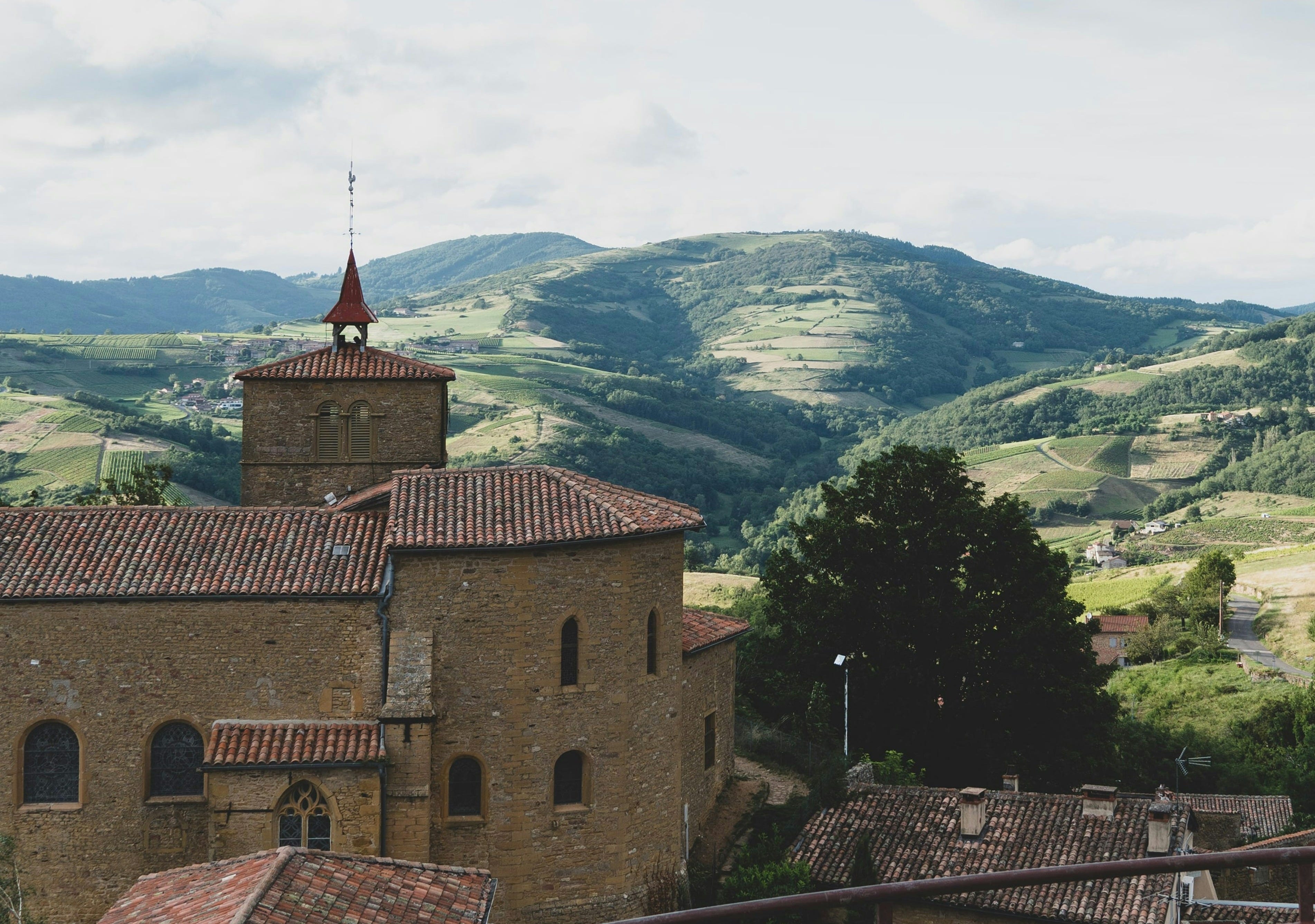
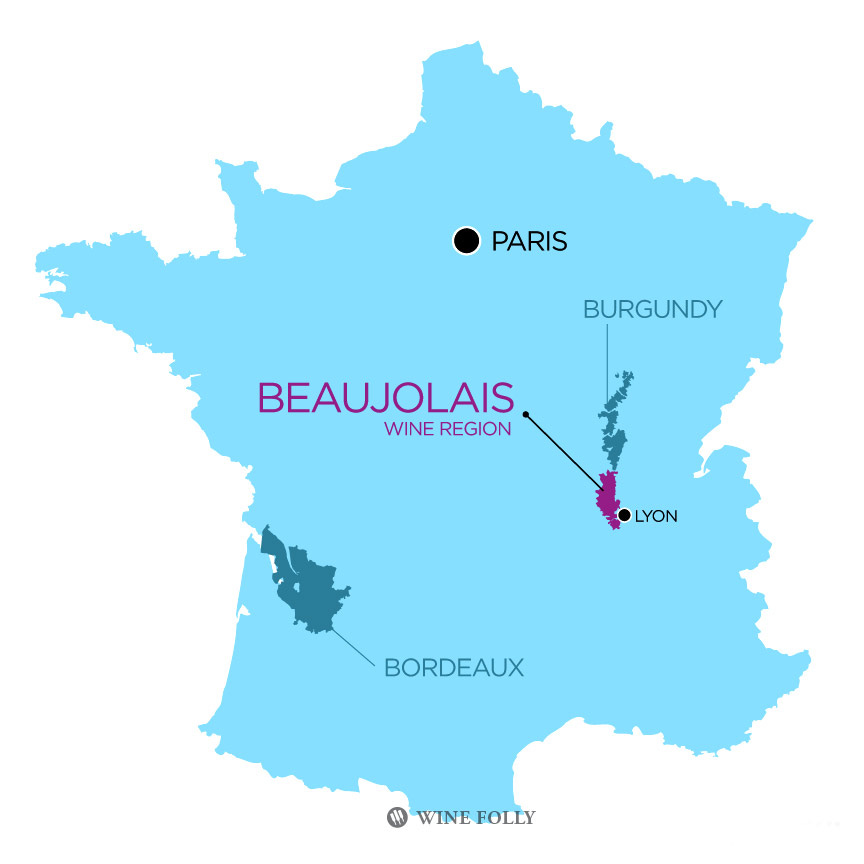
Beaujolais “the region”
Beaujolais is one of France’s most misunderstood (LIKE ME!) wine regions – often dismissed because of its infamous “Nouveau plonk” release™, yet capable of depth and character when you look more closely at “sneaky little pockets” of this “sneaky little region.” The alleged Beaujolais “hierarchy” begins with the quintessential “bottom feeder” of the bunch, known by “wine experts” as Beaujolais Nouveau, which, as we’ve explained, is an exuberant, light, and fruit-driven “beverage” released just weeks after harvest, and ideally consumed then too.
Next comes Beaujolais AOC, the region’s broadest classification, where grapes can be “plucked” and “plonkened” from anywhere within the appellation, including areas around the Crus and Villages. These wines form the “everyday drinking jorts” of Beaujolais: juicy, approachable, and often a “wonderful little value” for those drawn to the region’s simpler bottlings. They are allowed more time after harvest to mature and tend to better highlight Gamay’s fresh “red fruit charm” with notes of bright cherry, raspberry, and hints of spice, though it tends not to have the structure or so-called “mineral tension” of Villages or Cru Beaujolais.
Then comes Beaujolais Villages AOC, sourced from 38 designated “villages” (SURPRISE, SURPRISE) that produce wines with more structure, depth, and terroir-driven “regional typicity.” These tend to be a bit more interesting and varied, and can better split the difference between “financially un-burdensome” and “good” (THE GOOD KIND!).
At the top of the fabled “hierarchy” sit the “esteemed’ Beaujolais Crus, comprised of ten northern appellations on granite-rich soils, where the Gamay grape expresses its finest textures, complexities and overall “feelings” about its “wonderful little life.” These wines are often oak-aged in large French oak barrels, and can evolve beautifully for several years (UNLIKE ME!).
The Crus of Beaujolais each offer distinct “personalities” (LIKE ME!), shaped by subtle variations in terrain, slope, and exposure. The four most “prominent” and “celebrated” Beaujolais Crus are the following:
Brouilly – The largest cru, “responsible” for light, fruit-forward, and born “ready to party” beverages.
Fleurie – The so-called “Queen of Beaujolais,” graceful, perfumed, and looks great in jorts.
Morgon – Deep cherry notes and a stony little backbone making for “ageable” wines.
Moulin-à-Vent – Structured, tannic, and long-lived – the cru considered to be most reminiscent of its overly-esteemed buddy “Burgundy.”
The other crus include: Côte de Brouilly, Chiroubles, Juliénas, Régnié, Saint-Amour, and Chénas. Don’t “worry” too much about them, they will not be “on the exam.”
Together, these appellations “reveal” Beaujolais not as a frivolous afterthought, but as a physical place on planet earth that grows the arguably expressive “Gamay grape.”
Speaking of which…
Gamay “the grape”
Gamay, the sole grape used in Beaujolais red wines is thin-skinned (LIKE ME!), purple (LIKE ME!), light to medium bodied (LIKE ME!), and typically low to medium tannins, with vibrant red fruit flavors (cherry, raspberry, plum, kirsch), abundant floral notes, spice notes (pepper), earth and sometimes aromas/flavors related to semi-carbonic or carbonic maceration (“see above”).
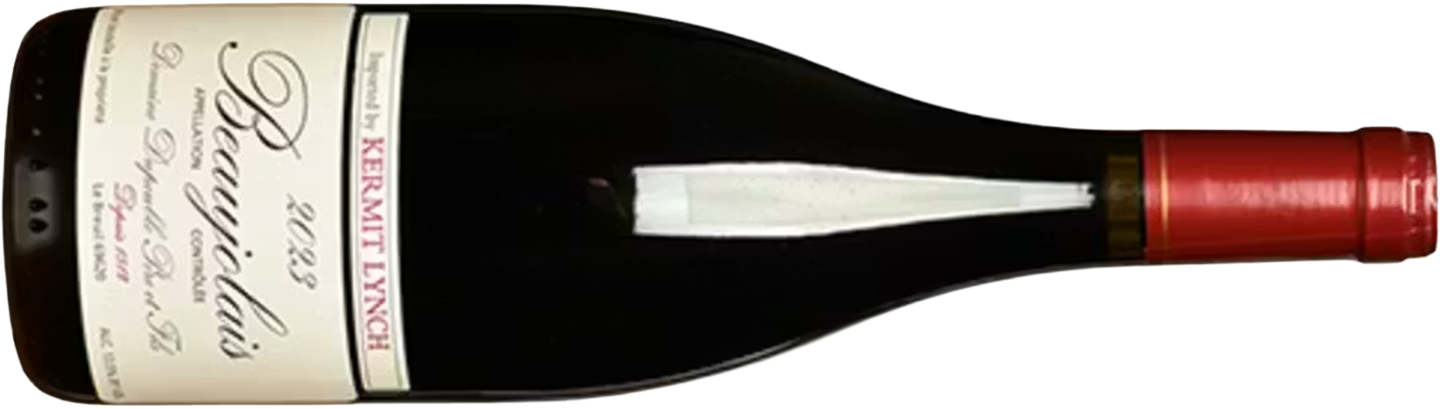
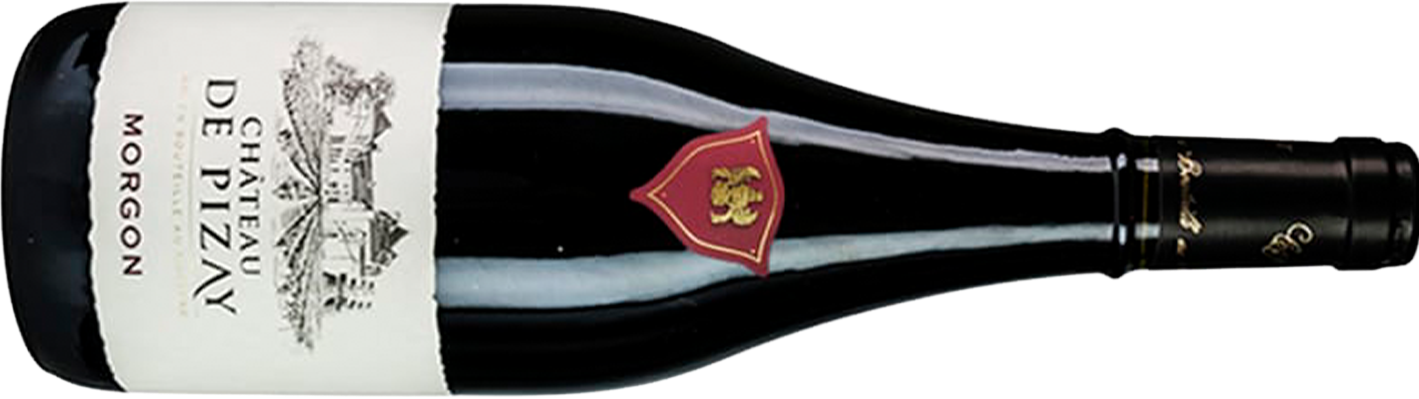
Now going into this week’s post, we both had some preconceived notions about Beaujolais that were less than generous. We’d had the odd bottle of Villages or cru that was decent, but overall, our impression was negative. After taking a random sample of two bottles (one Beaujolais AOC and one Morgon) we can “proudly” say that our experience was all around extremely wholesome and unexpectedly “rewarding.”
Profile: Blueberry, raspberry, violet, lilac, orange peel, licorice, black pepper, earth, wet stone Palate: Dry, medium tannin, high acid, medium body, long finish
Let me just tell you that this wine really showed it “true colors” — crunchy blue and red fruits, and very floral, with pepper spice and a mineral driven profile. Extremely elegant and well balanced with no literally “no flaws” (UNLIKE ME!). It has some similarities to “fresher” styles of Northern Rhône Syrah and Côtes du Rhône.
Profile: Violet, raspberry, tart plum, kumquat, chocolate, wet pavement Palate: Dry, medium+ tannin, high acid, medium body, long finish
Morgon is a nice chap and/or lady, who leads with floral notes. Some raspberry and kumquat (similar to orange peel, but a little more distinctive), and pavement wetter than my drinking jorts. Hint of chocolate in there as well, and on the palate a ripe but tart plum flavor. Texture is excellent, fine tannins with quite a lot of grip, and solid acid structure. Could be more powerfully flavored and not especially complex or “intellectual” “if you will” but it’s very enjoyable and easy drinking. If you asked me what this was blind, I might have guessed a Carignan/Cariñena or Grenache/Garnacha – like a Priorat or goodly southern Rhône, but a bit less concentrated and not too complicated (LIKE ME!).
Was unexpectedly pleased by the structure and would gladly imbibe this literally any time of day.
There’s an old French saying, “Beaujolais is as Beaujolais does” and I think that pretty well sums up this journey. Stay out of trouble, and keep your drinking jorts dry.
Until next time, HAPPY DRINKING PEOPLE.
Cheers!
Isaac & Zach
Tannic Panic! doesn’t know what year it is. SUBSCRIBE
Well done guys. Time to move past the marketing gimmick that is Beaujolais Nouveau – a cheap and high-volume “early release” wine.
Maybe to Beaujolais AOC, the region’s broadest classification, where grapes can be “plucked” and “plonkened” from anywhere within the appellation.
Better still move up to Beaujolais Villages AOC, sourced from 38 designated “villages” that produce wines with more structure, depth, and terroir-driven “regional typicity.”
If you can afford them Beaujolais Crus, comprised of ten northern appellations on granite-rich soils, where the Gamay grape expresses its finest textures, complexities and overall “feelings” about its “wonderful little life.”
Perhaps from The four most “prominent” and “celebrated” Beaujolais Crus
Brouilly – The largest cru, producing light, fruit-forward, and “ready to party” beverages.
Fleurie – The so-called “Queen of Beaujolais,” graceful, perfumed, and looks great in jorts.
Morgon – Deep cherry notes and a stony little backbone making for “ageable” wines.
Moulin-à-Vent – Structured, tannic, and long-lived – the cru considered to be most reminiscent of its overly-esteemed buddy “Burgundy.” The other crus include: Côte de Brouilly, Chiroubles, Juliénas, Régnié, Saint-Amour, and Chénas.
No this was not written by AI, just by me, a total amateur in the world of French Wine.


Well done guys. Time to move past the marketing gimmick that is Beaujolais Nouveau – a cheap and high-volume “early release” wine.
Maybe to Beaujolais AOC, the region’s broadest classification, where grapes can be “plucked” and “plonkened” from anywhere within the appellation.
Better still move up to Beaujolais Villages AOC, sourced from 38 designated “villages” that produce wines with more structure, depth, and terroir-driven “regional typicity.”
If you can afford them Beaujolais Crus, comprised of ten northern appellations on granite-rich soils, where the Gamay grape expresses its finest textures, complexities and overall “feelings” about its “wonderful little life.”
Perhaps from The four most “prominent” and “celebrated” Beaujolais Crus
Brouilly – The largest cru, producing light, fruit-forward, and “ready to party” beverages.
Fleurie – The so-called “Queen of Beaujolais,” graceful, perfumed, and looks great in jorts.
Morgon – Deep cherry notes and a stony little backbone making for “ageable” wines.
Moulin-à-Vent – Structured, tannic, and long-lived – the cru considered to be most reminiscent of its overly-esteemed buddy “Burgundy.” The other crus include: Côte de Brouilly, Chiroubles, Juliénas, Régnié, Saint-Amour, and Chénas.
No this was not written by AI, just by me, a total amateur in the world of French Wine.