There are some questions that inevitably keep us up at night; tossing and turning on our dingy little futons while the “friendly” little sewer rats scuttle around our tiny little “living rooms,” angrily looking for cheese.
Needless to say, of those questions, none are more poignant and disturbing than the following:
What makes lemur juice “worth the squeeze”?
And if we allow ourselves to be even further haunted by mystery – can lemur juice even be considered good if James Suckling hasn’t scored it at least 90 points?
Obviously not, that would be crazy.
But with the exception of accolades ascribed by the infallible tastebuds of generous James (and/or his entourage of anonymous experts), there are 3 key measures we can use to dial in the elusive definition of “good wine”:
Subjective Quality (How much you like it)
“Objective” Quality (How well it scores using a standardized system)
Context & Use Case (Value & quality relative to the category and situation)
To put into “simplish terms” what the distinctions between those “measures” are – you can dislike a wine (subjective quality), but using a standardized method of evaluation, still determine that it is well made and/or of high “objective” quality. You can also hate a wine on its own, but find it to be delightful in the context of one very specific pairing.
These three measures operate somewhat independently of one another, and the first two focus primarily on how good the liquid in your gullet is, without particular focus on the “metadata” (aka the history, geography, people, prestige, price, etc). The third measure takes into account context (e.g., how good the wine is relative to others in the category, price point, etc) and use case (e.g., tasted alongside a “chocolate cake” vs drank on its lonesome).
We try to address all of these measures whenever we write our reviews, and in acknowledgement of the fact that our own tastes were likely skewing our scores in favor of wines we just personally liked, we developed our “brilliant new version” of the 100 point system that aims to reduce bias and provide some transparency into the final scores, while prefacing the score breakdown with our subjective opinions on the wine. You may also “note” that we attempt to include contextual factors when we can, like whether the wines were better with food, or in a particular setting, or even how we place it within the category or price point (ie is it good value?).
Loading...
We’ve taken it upon ourselves this week to find wines that we enjoy and which score highly using our system (something that doesn’t always happen, if you’ve been “with us” for a while). In our notes, you’ll find thoughts on why some of these picks may not score as subjectively high for you and/or your little family’s palates, and some “insights” into how context comes into play. Let’s dive into the juice…
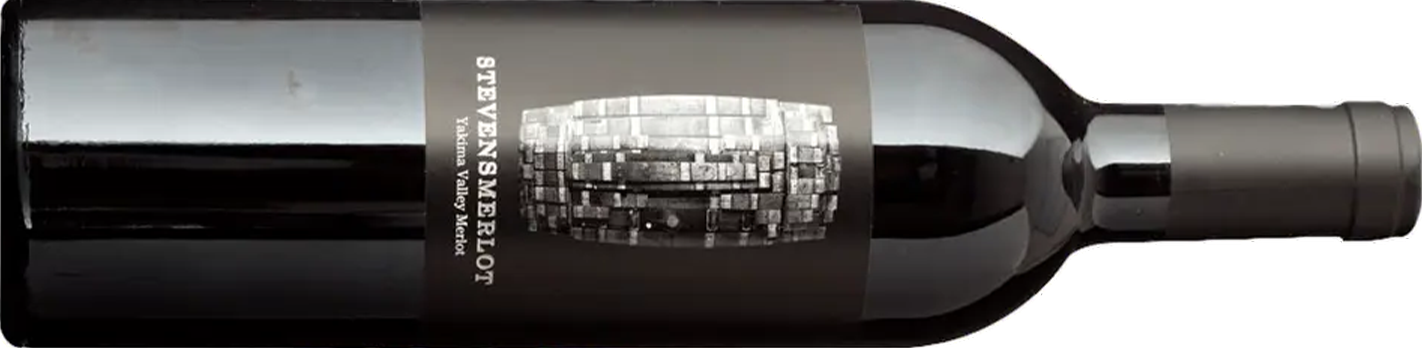
2015 Steven’s Winery, Stevensmerlot, Yakima Valley, WA / $39
Profile: Dried cherry, raisin, chocolate, cinnamon, orange peel, potpourri, bay leaf, licorice, tobacco Palate: Dry, medium+ acid, medium+ tannin, full body, long finish
Incredibly powerful flavors and aromas, not at all tired in spite of the 10+ years in bottle. Rich, dried fruit character layered with well integrated oak spice – chocolate and cinnamon – and potpourri (combination of that cinnamon with orange peel, and dried flowers). It is leant even more depth by notes of bay leaf, licorice and tobacco. This is drinking beautifully right now (probably peak for my palate), but for those tempted by more tertiary dominant wines, you could easily cellar this for another 5 years and watch it develop. I’ve reviewed the 2014 Stevensmerlot in the past (even more long-lived and enticing imo) and I am a huge fan. This Yakima valley producer doesn’t miss, so if you find yourself at a Total Wine that carries either their Syrah or Merlot, don’t miss your chance to try it. A steal at under $40.
Is it good? Yes. Strong recommend from me.
As far as “goodness” goes, this one hits the mark on all three measures for me. I love it, it scores highly using our quasi-objective system, and it hits the mark on value – I would be hard pressed to find Washington Merlot of better quality at this price point (but would jump at recommendations if you disagree). I will say that as a standalone “beverage” this might not be ideal for a lot of people – it’s a strong choice with bolder flavored meals that need a bold wine with good acidity to stand up, but if you don’t like recreationally drinking red wines (particularly complex and structured reds), then you might find this to be contextually worse than even a simple but well made white wine that goes down easy. Me? I’ll gladly drink a glass on its own.
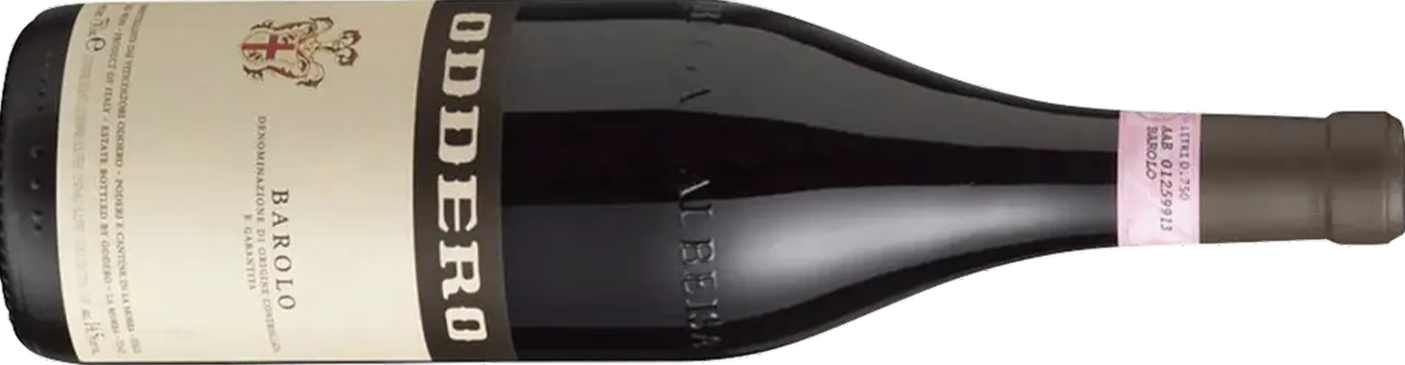
Profile: Red cherry, dried cranberry, dried strawberry, rose petal, wet stone, bay leaf, ginger, tar, orange peel Palate: Dry, high acid, high tannin, fully body, long finish
From an objective perspective, the structure and balance of fruit, tannin, acid and developing complexity is outstanding. However, this is still unmistakably a youthful (UNLIKE ME!), tannic, high acid, “angry” Barolo, which will not be an enjoyable experience for all “palates” if those “palates” don’t have a special little proclivity for “fine grained” and mouth-dessiccating nebbiolo tannins and acidity.
For the category, this is pretty good value, though I’ve found examples just as good closer to $30. This will almost certainly improve with age.
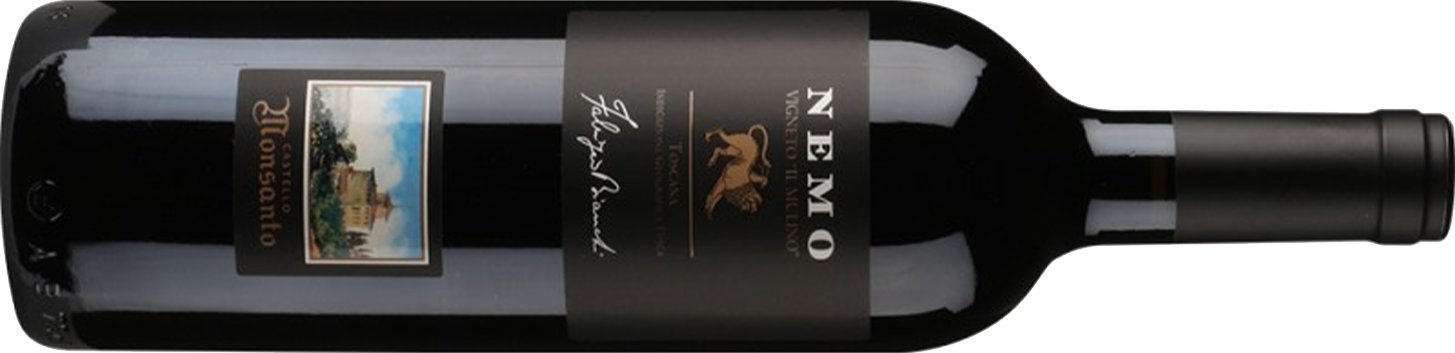
Profile: Blackberry, dried cherry, fig, dried violets, green bell pepper, mushroom, chocolate, black olive, tobacco, black tea, graphite, forest floor, cedar, leather Palate: Dry, medium+ acid, medium+ tannin, full body, long finish
Lucky for me, I was able to successfully “find Nemo” — but many of you may not have as much “luck.” Why? For one, this isn’t a Nemo that’s easily “found.” For two, personal preference. I’m a sucker for prominent tertiary notes from bottle aging (dried fruits, forest floor, dried flowers, leather, tobacco). For my palate, there is a perfect harmony of savory tertiary notes from extensive bottle aging along with sufficient “mature” (aka mostly dried) black fruit notes along with prominent “green pepper” pyrazines. The complexity is ridiculous. The wine is unquestionably of exceptional quality and epitomizes how “great aged red wine” can “behave,” but if your goal is to find rich fruit flavors as the primary “experience” in your zeus juice, then this will not be your “jam” (pun intended), no matter how great the “objective” quality level.
I got it for $55, but given the average price of $90, this may not be “good” for a lot of people, purely from a value perspective. That said, it delivers a “transcendent” experience that in my opinion justifies the price, particularly for tertiary “nutcases” (LIKE ME!)
Now tell us — are there any examples of wines that you love but which you know to be objectively of relatively low quality? How about high quality wines you just personally hate? Or do you find that your subjective tastes tend to align with objective “reality” across the board? (We don’t).
Until next time, HAPPY DRINKING PEOPLE.
Cheers,
Isaac & Zach
Tannic Panic! is objectively correct about everything. SUBSCRIBE
Interesting question! I've generally never met a Chateau Neuf du Pape that I like, no matter how much everyone else seems to think it's a great wine. I also love a cheapy brand here in NL called Mucho Mas. I'm sure it's mass produced plonk, but it's just soooo easy to drink. The rosé, the red, the bubbles - love 'em all!


Interesting question! I've generally never met a Chateau Neuf du Pape that I like, no matter how much everyone else seems to think it's a great wine. I also love a cheapy brand here in NL called Mucho Mas. I'm sure it's mass produced plonk, but it's just soooo easy to drink. The rosé, the red, the bubbles - love 'em all!